Print versions of The 15 Minute Fix: SENSES - Exercises To Elevate Your Sensory Perception and The 15 Minute Fix: SCALP - Exercises To Promote Scalp and Hair Health are now available on Amazon!
 |  |
|
Print versions of The 15 Minute Fix: SENSES - Exercises To Elevate Your Sensory Perception and The 15 Minute Fix: SCALP - Exercises To Promote Scalp and Hair Health are now available on Amazon!
0 Comments
 "The Eyes Have It! Tetrachromat Artist Concetta" ConcettaAntico.com "The Eyes Have It! Tetrachromat Artist Concetta" ConcettaAntico.com This recent article in Popular Science about tetrachromacy - having four channels for conveying color to the brain rather than the usual three - really got me thinking about the vast potential for tapping into the plasticity of the brain. Tetrachromacy is a rare genetic condition to begin with, but taking advantage of it is rarer still, because tetrachromats’ brains are wired to interpret vision through three color receptors - the same way as everyone else. What researchers have found however, is that with training, a tetrachromat can teach their brain to use the fourth color receptor to see an exponentially greater range of color. The article profiles Concetta Antico, who is a tetrachromat and, as a lifelong artist, has naturally trained her brain to use this fourth receptor. As a result, she “can process more than 100 million colors compared to the average person who processes only 100,000 to one million.” Although it sounds hard to believe, Ms. Antico’s tetrachromat ability has been confirmed in a study by Kimberly Jameson, a cognitive scientist at the Institute for Mathematical Behavioral Sciences at the University of California in Irvine and Alissa Winkler at the University of Nevada in Reno. They are also principal members of The Human Tetrachromacy Research Collaborative, an excellent resource on tetrachromacy.
One final thought: The 15 Minute Fix: VISION does not focus much on training the eyes to better interpret color. Having read this article and the research, I’m excited to explore this area to find specific exercises for a future edition that might improve one’s ability to distinguish between colors, see greater depth of color, and to identify subtleties of color. Meanwhile, if you want to experiment with improving your ability to see color, I would suggest adapting the following exercises from VISION:
I have never been great with color myself, so I’m really excited to play around with this. I’ll share what I find. Age well my friends…. This infographic is a great visual representation of how easily sound can damage your hearing. There are risks all around us, and we often simply put up with loud noises without understanding the risk of doing permanent damage to our hearing. The infographic was put together by Earplug Superstore. While their focus is obviously selling earplugs and earmuffs to protect hearing, the data here is useful and compelling. Because hearing loss can lead to depression, anxiety, social isolation, balance problems, and fatigue, taking care of your hearing will help you maintain a high quality of life. Loss of hearing (along with reduced sense of taste and smell) is also associated with Alzheimers and Parkinsons. Readers of SENSES know that in addition to maintaining good hearing through exercises, I believe it is important to take very good care of your hearing. This graphic will help: 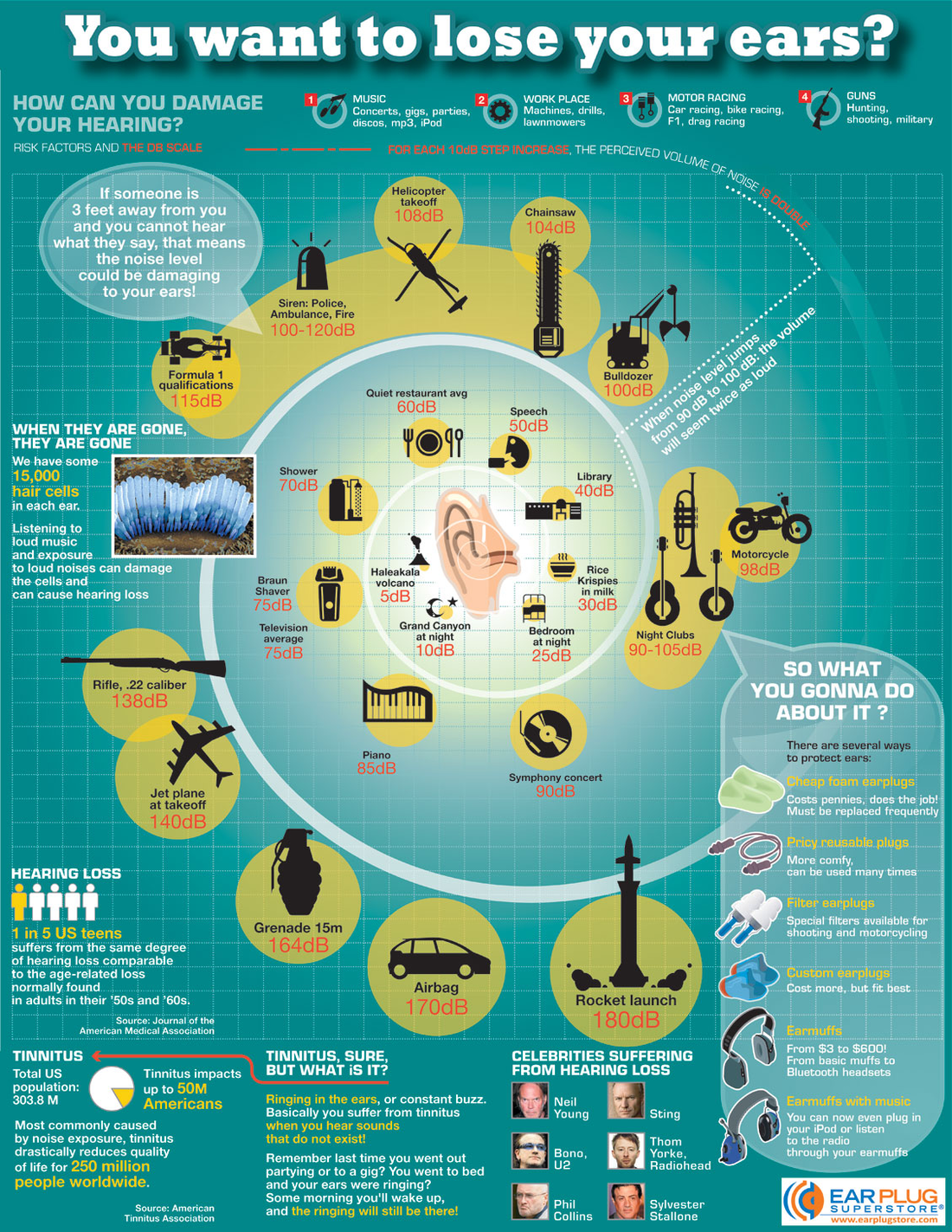 Age well my friends....
Earlier this year, Popular Science had a nice little article on things that affect your sense of taste. The author (Amber Williams) highlighted 7 things that influence taste (besides smell and the actual taste of whatever you are eating or drinking):
The 15 Minute Fix: SENSES has an exercise called “Taste Comprehension.” I have included it below:
It struck me, after reading Ms. Williams article, that some of the external influences she describes could be woven into this exercise to broaden the range of our olfactory perception by getting more of the brain contributing to the perception and interpretation of particular tastes (and smells for that matter). For example, try tweaking the exercise so that you are tasting one food using three different types of utensils or at three different temperatures. Try drinking liquids out of different color cups or even use food coloring in relatively clear liquids. Use the same three tastes in subsequent sessions, but in different environments (city/country, indoor/outdoor, dry/damp, light/dark, etc.). Invoke different memories while tasting the same thing over multiple sessions - any difference in taste? Have a partner give creative names to things before you taste them.
There are no rules for this kind of experimentation. Play around with these external factors (throw smell in as well), trying to discern whether or not these seven things influence your perception of how something tastes. Some may work for you, some may not, but you’ll be pushing your brain to take in more information from multiple sources as part of the process of “tasting.” I would only suggest that if you want to maximize the benefit you get from taking this exercise to the next level, you get in the habit of carefully recording your perceptions of each and every thing you taste - both in an absolute sense and on a comparative basis. Remember, our senses are part of a complicated web of input, information processing, and analysis systems. Developing a fully functioning sense of taste is not simply a matter of exercising your taste buds. The best way to get your sense of taste to thrive is to exercise the entire system that contributes to your understanding of taste. Although the sensory process is scientifically complex, you don’t need to be too concerned with it, because all you need to do is experiment and have fun tasting things. Age well my friends….  A recent study by psychologists at the University of California, Riverside showed that engaging in a vision training program significantly improved the vision of UCR baseball players. The two really interesting things about this study are 1.) that by using baseball players, the researchers were able to quantify real world results (team and individual baseball statistics) not just lab tests (Snellen charts), and 2.) the conclusion that eye exercises are largely about improving the brain’s ability to interpret the information sent by the eyes (something 15 Minute Fix readers are familiar with).
While the UCR researchers found that the players who underwent training showed a 31 percent improvement in visual acuity (tested with a Snellen chart) compared to a control group. The more interesting thing though was that the researchers found that players who underwent training showed significant improvement in their baseball statistics (strikeouts, hits, runs created, etc.), while those in the control group and on other teams in the league did not. According to one of the study leads Professor Aaron Seitz, “Players reported seeing the ball better, greater peripheral vision and an ability to distinguish lower-contrast objects.” Readers of The 15 MInute Fix: VISION know that while I advocate and see real benefits from physically exercising the eyes, I also believe that eye exercises work best if they are also taking advantage of the brain’s plasticity by training it to better interpret the information sent to it. Although programs that just focus on exercising ocular muscles have had some success, this study shows that if brain training is an integral part of an eye exercise program, results will be significantly better. It has become commonplace in recent years for elite athletes in many sports to spend significant time and effort on vision improvement. This study supports that trend and also suggests that certain vision exercises provide real benefits for athletes at all ages and levels and for anyone who relies on vision to get through their day (which includes most of us). The 15 Minute Fix: VISION includes exercises that specifically focus on improving and developing new neural networks (brain training) and exercises with particular benefits for athletes. Athlete or not, I encourage you to give them a try. Age well my friends….  A new study has found that an impaired sense of smell may be a sign of serious health problems and an increased likelihood of dying within five years. University of Chicago scientists found that among adults aged 57-85, those with a poor sense of smell were four times likelier to die within five years than those with full olfactory function (i.e. those whose sense of smell works well). Even after taking age, nutrition, smoking habits, poverty and overall health into consideration, a poor sense of smell was the most accurate indicator of impending death.
The study found no evidence that impaired olfactory function was the reason for the increased likelihood of dying within five years. Rather, they believe that an impaired sense of smell may be an indicator of more serious problems. According to the study’s lead scientist, Prof Jayant Pinto, “The sense of smell is like the canary in the coal mine. It doesn't directly cause death, but it is a harbinger, an early warning system that shows damage may have been done. Our findings could provide a useful clinical test, a quick inexpensive way to identify patients most at risk." It would be a stretch to say that by improving your sense of smell through sensory exercises you will keep the grim reaper at bay. However, by practicing and tracking sense of smell exercises and regularly testing your ability to pick up and discern different odors, you may be able to identify a serious health problem earlier than you otherwise would have. If you do become aware of any loss in olfactory function, talk to your doctor about getting a more thorough examination. Hopefully, you will never have to use this tool, but you never know, so it’s a good one to keep in your belt. You'll find sense of smell exercises, tracking tools, and tests in The 15 Minute Fix: SENSES. Age well my friends...  Almost half of the scalp exercises in The 15 Minute Fix: SCALP involve some element of massaging the scalp. The results of a 1998 study by researchers out of the Department of Dermatology at Aberdeen Royal Infirmary (Scotland) indicate that massaging essential oils into the scalp is more likely to prevent or reverse hair loss than massaging with an oil or lotion that does not contain essential oils. Essential oils are the aromatic compounds that give plants their characteristic odors, protect them from predators and disease, and support pollination. They are obtained from various parts of plants (flowers, leaves, bark, etc.) by steam distillation, expression, or extraction. Essential oils are used in aromatherapy, massage therapy, and in other alternative therapies. You can find them in health food stores and online (typically sold in small vials). I would suggest diluting them with a "carrier oil" before applying to your scalp (start with a ratio of 6-12 drops of essential oil for each ounce of carrier oil).  The study participants massaged thyme, rosemary, lavender, and cedarwood essential oils in a mixture of jojoba and grapeseed oil into their scalp daily. Another essential oil to consider is Ylang-Ylang, which has long been used to promote hair and scalp health. Other popular essential oils include lemon and sandalwood. Other carrier oils you might consider are coconut oil and castor oil. With all essential oils and carrier oils, make sure you are buying products that are 100% pure.
Use your essential oil mixture with any and all massage exercises in SCALP. In addition to fighting hair loss, massaging essential oils into your scalp will lower your stress, sharpen cognitive function, increase energy levels, and generally improve your overall health and quality of life. Age well my friends!  This study is really cool: researchers from Virginia Commonwealth University School of Medicine researchers discovered that adult animals with hearing loss are able to re-route their sense of touch into the parts of the brain that had previously been responsible for hearing. The study found evidence for cross-modal plasticity which is when a damaged sensory system is replaced by another one. In this case, hearing was replaced by touch.
The findings highlight two important concepts:
When we are young children, we actually spend a great deal of time and effort developing our senses, even though we're not really aware of it. When we're older, we tend to take our sensory abilities for granted, assuming they "are what they are." They're not though. Senses can be trained to do new things and perform better. Usually this happens when someone is forced to adapt when one of their senses is damaged. There is no reason, however, that sensory development and enhancement of senses can only happen after damage or trauma. The brain's plasticity is constant. It's just that we rarely attempt to take advantage of this unless it is necessary. The 15 Minute Fix: SENSES is designed to take advantage of the brain's plasticity. The exercises are not just for those who are already struggling with one or more of their senses. The hearing, smell, taste, and touch exercises in the book will benefit anyone looking to keep their body and mind in top shape for many years to come. Age well my friends!  A 2009 study by researchers in Germany and the US found that people could improve their sensitivity to odors and their general olfactory function (sense of smell) by engaging in a "smell exercise" for 12 weeks.
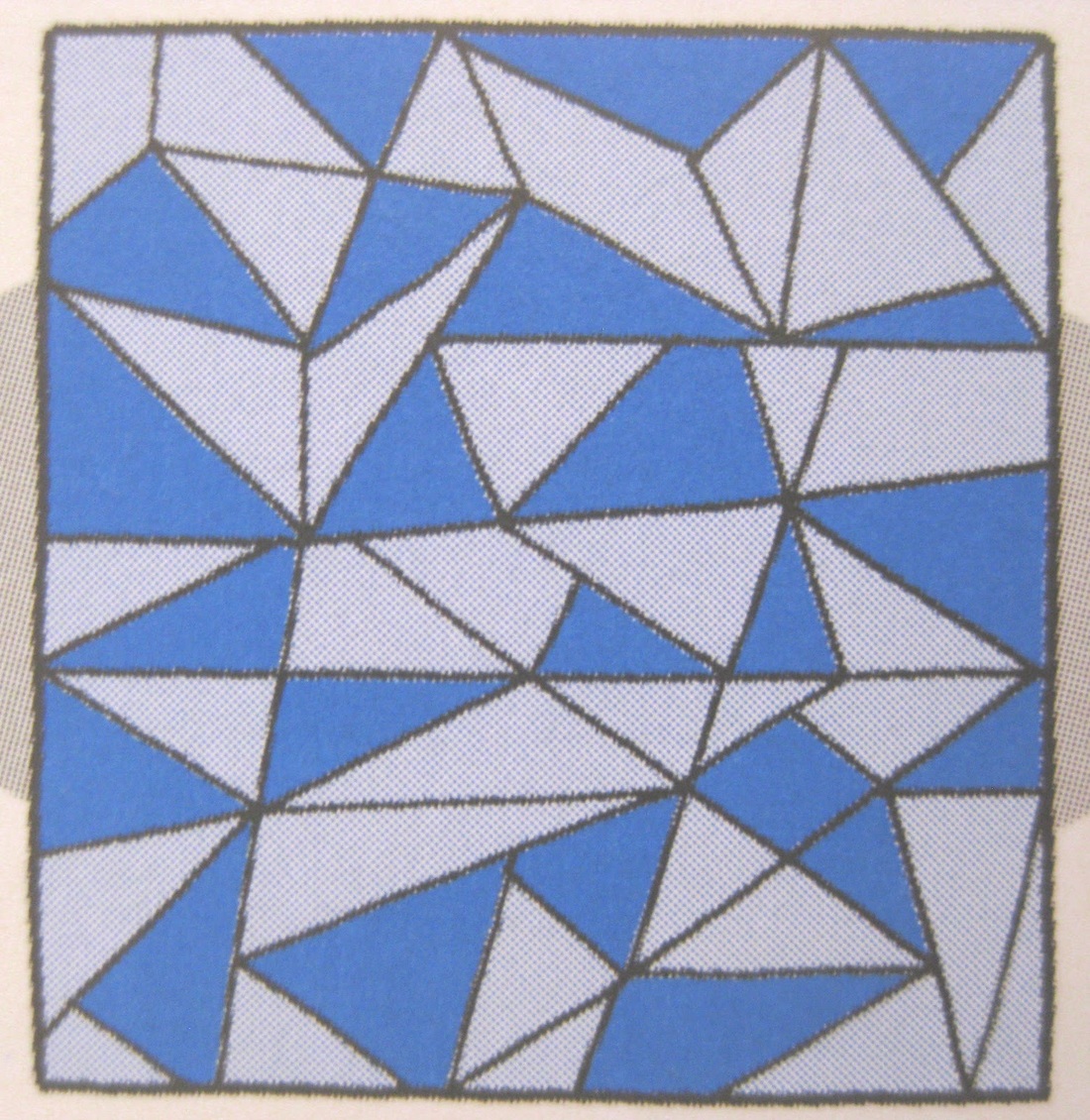
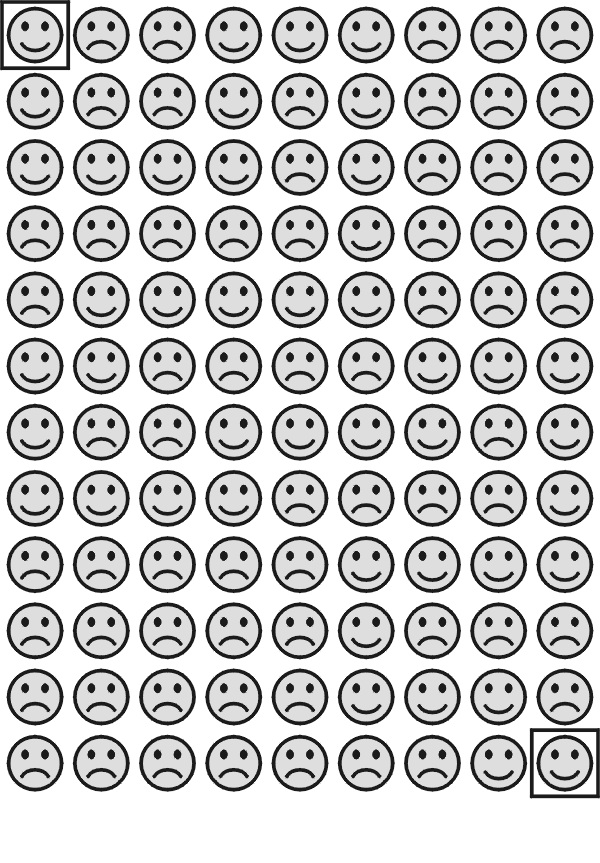
The researchers cited previous studies that found that 25% of those over 50 suffer from olfactory impairment (loss of sense of smell), with aging being the most common cause. The study also noted that a reduction in sense of smell can have a sever impact on quality of life. The study exposed participants to four intense odors (rose oil, eucalyptus, citronella, and clove oil) twice a day over the study period. Participants showed a significant improvement in their ability to smell, while a control group showed no change. Good stuff and good support for The 15 Minute Fix: SENSES. The smell-related exercises in The 15 Minute Fix: SENSES are an effective, easy way to realize the benefit of training your sense of smell. Along with exercises targeting hearing, taste, and touch, you will find a dozen exercises designed to improve your sense of smell. As this study shows though, even on days when you don't have time to engage in a full sensory/olfactory workout, just spending a minute sniffing three or four distinct, non-offensive odors (essential oils, spices, flavor extracts, etc.) a couple of times a day will improve your sense of smell if you do it every day for a few months. Age well my friends! 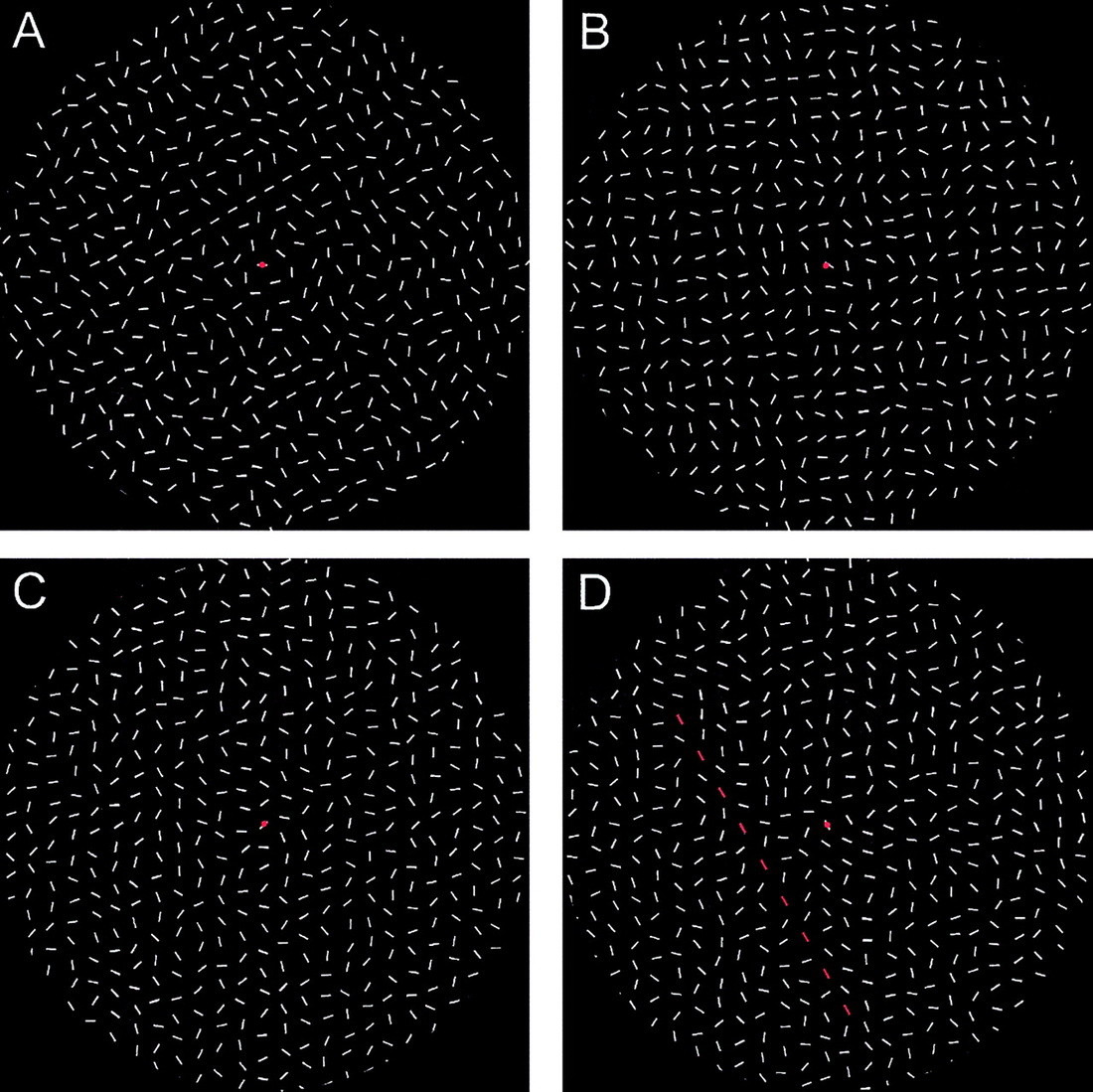 Try to identify the straight line in A, B, and C. C is tougher - D shows you where the line in C is. Try to identify the straight line in A, B, and C. C is tougher - D shows you where the line in C is. The ability to improve one's vision with eye exercises remains a controversial area, with many eye care professionals continuing to argue that eye exercises provide no benefit. Researchers out of the University of California, Riverside (UCR) and Boston University, however, recently showed in a study published in the Journal of Vision that specific eye exercises can improve vision among those over 65. The study showed that consistent practice of vision tasks that pushed the subject's visual limits, resulted in improved vision. "We found that just two days of training in one hour sessions with difficult stimuli resulted in older subjects seeing as well as younger college-age subjects," stated chief researcher G. John Andersen, professor of psychology at UCR. The task that the participants used to train their eyes, is essentially a pattern recognition exercise. Typically, this process involved the participants viewing a pattern which is then masked in such a way to make it difficult to see the pattern. Participants were instructed to focus on a central point in the image and identify the pattern using peripheral vision. Here is an example of masked images: Without specialized equipment to create a series, it it's hard to duplicate the exercise on your own. However, you can help train your eyes, your brain, and their ability to work together by trying your hand at visual puzzles. Here are a couple of good examples:
Here's another hidden star puzzle....
The visual puzzle concept is a nice compliment to the eye workouts available in The 15 Minute Fix: VISION. Any type of visual puzzle that requires you to send a wide variety of detailed information to your brain for interpretation and analysis will help train you to make better use of your eyes on a day to day basis. (Reading can provide similar benefits.) If you want to try to create an exercise that you can work into your 15 Minute Fix eye workout, try this: Find a variable textured surface (wood, stone, brick, etc) and over the course of 3 minutes, try to identify 3 shapes or patterns. Sort of like looking for a shape in the clouds. If you are struggling to find any sort of shape or pattern, try creating letters or shapes by "connecting the dots" using imperfections in the surface. Also, be sure to use a different surface each time you do this exercise. Age well my friends! 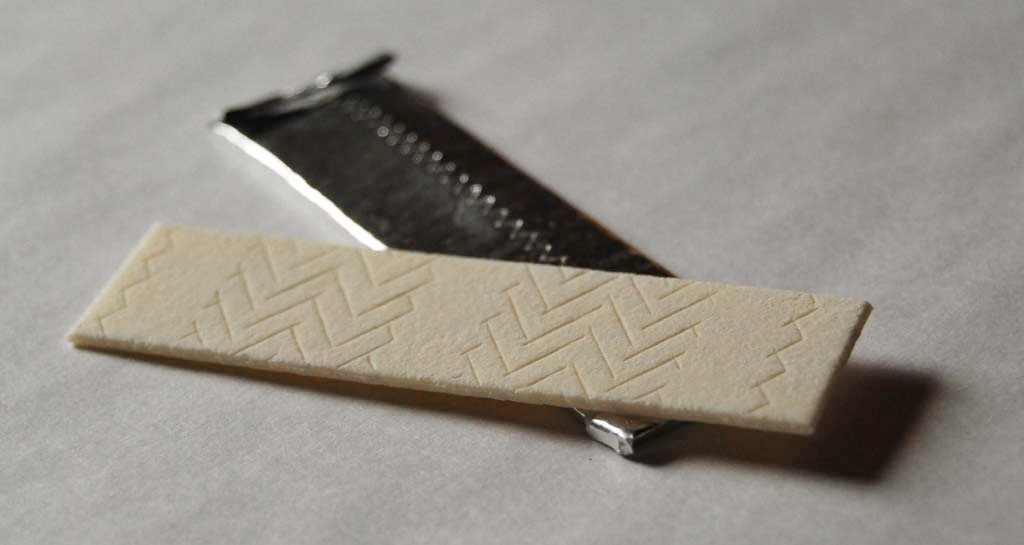 A number of recent studies have shown multiple benefits of chewing gum. Although gum chewing is not defined as a full exercise in any of The 15 Minute Fix books (though some do suggest chewing gum as a bonus activity), the mechanics and benefits are similar to those found in many of the exercises in SENSES (those targeting sense of taste) and FACE (those helping to support and firm chin and mouth areas).
A study out of the Department of Psychology at St. Lawrence University (New York, USA) showed that chewing gum results in a 15-20 minute boost in cognitive performance. The study found that this brain boost resulted from the act of chewing, not from the ingredients in the gum. This is consistent with the idea that performing a facial, sensory, or other 15 Minute Fix exercise can provide a quick mental recharge. A study out of the School of Psychology at Cardiff University (UK) associated chewing gum with greater alertness, quicker reaction time, improved selective and sustained attention, and better mood. Gum flavor did not seem to affect outcomes, again supporting the idea that it is the chewing motion that provides these benefits. A study by researchers from the Brain Sciences Institute at Swinburne University (Melbourne, Australia) found that chewing gum appeared to lower stress levels and improve alertness. Although they were not able to definitively identify the underlying mechanism of these effects, they stipulated that they may involve improved cerebral blood flow - a benefit of a majority of 15 Minute Fix exercises. Because these and many other studies found that it was the act of chewing, rather than the gum that led to these benefits, the results support the idea that exercising different muscles in and attached to the head, can help improve cognitive function, reaction time, and alertness, along with lowering stress and improving mood. These are in addition to the benefit of helping your face look more youthful, improving your sense of taste (or smell or hearing), sharpening your eyesight, or reinvigorating your scalp. So don't be shy about chewing gum (sugar free!) or starting one of The 15 Minute Fix programs. Besides helping your eyes, face, senses, or scalp, you will be taking definitive, manageable steps to improve your productivity, happiness, and general well being. Age well my friends!  Today's Wall Street Journal has an interesting article about how 30 minutes of reading every day can lower stress and help your brain function better - just like eye exercises. It's not terribly surprising that eye exercises and reading provide many similar benefits. When done properly, both are relaxing and therapeutic while engaging and strengthening the brain. The article has some great tips on how to read. Unlike the reading tips in The 15 Minute Fix: VISION, which are focused on supporting eyesight, the reading tips in the article are focused on maximizing comprehension and quality of your reading experience. The two sets of reading tips compliment each other well, so I encourage you to incorporate both sets into your reading routine. The tips in the article include:
Of course, the last one is my favorite. If you really want to get benefits beyond knowing what a book is about, you need to approach it as if it were exercise. This should not make reading any less enjoyable - read things you enjoy so that it never becomes a chore - but you do need planning, discipline, and commitment in order to maximize the benefits (if you have read any of The 15 Minute Fix books then you know that I believe these to be the cornerstones of a successful exercise program).
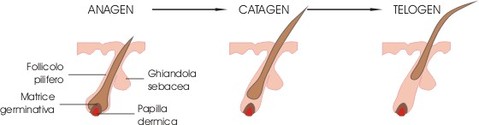
Despite some overlapping benefits, eye exercises and reading have independent benefits that are both an important part of aging well. So I encourage you to read regularly, take good care of your eyes, and engage in an eye exercise routine. The 15 Minute Fix: VISION can help you with the care and the exercises, I'll let you take care of the reading.... Age well my friends! For the most part, hair grows slowly. If you want to take steps to stop or slow your hair loss, you are going to need patience, discipline, and commitment. Whether you're applying Rogaine or practicing hair and scalp exercises from The 15 Minute Fix: SCALP, you need to do it every day for a long period of time before you will see results. Understanding the hair growth cycle will help you appreciate the long term nature of any non-surgical approach to managing hair loss. WebMD has a good description of the hair growth cycle:
Given the random nature of the hair growth cycle, it is vital to keep your scalp healthy year round. Whether you are trying to stop hair loss with medicine, thinking about or living with hair restoration surgery, or simply want to maintain a healthy scalp, making a long term commitment to practicing the exercises in The 15 Minute Fix: SCALP every day will give you the best chance of maximizing your hair growth during the different phases of the hair growth cycle.
Age well my friends!  A recent study by a group of researchers from the National Institutes of Health found that progressive loss of hearing showed a clear correlation with increased risk of depression. The study also found that the risk of depression in those suffering from hearing loss was greater for those less than 70 years old and that women were at greater risk than men.
Although many hearing experts, psychiatrists, and caregivers have long believed that a diminished sense of hearing leads to depression, support of this concept has largely been anecdotal. This study adds scientifically sound data to the argument. "It is not surprising to me that they would be more likely to be depressed," said James Firman, president and CEO of the National Council on Aging. "People with hearing loss, especially those who don't use hearing aids, find it more difficult to communicate with other people, whether in family situations, social gatherings or at work." The study supports the idea that the ability to hear well is not simply an end in and of itself. It is also an important means of improving your communication skills, boosting your social and professional confidence, and promoting overall mental and physical well-being. Of course readers of The 15 Minute Fix: SENSES know that I believe this to be case with all of the senses. Taking care of your senses of smell, taste, touch, and sight (covered in VISION) is a vital part of managing your overall health. A few minutes a day exercising your senses, along with a few common sense lifestyle adjustments (turn down the volume, etc.), will go a long way toward keeping your mind, body, and soul healthy for the long run. Age well my friends,
Age well my friends!
|
YOUR HOSTJohn wants to get the most out of life and wants to help you do that too!
Categories
All
Archives
January 2015
|